

Quick answer: The best first drone is not necessarily the model with the longest specification list. Most beginners need a stable GPS camera drone, a true 3-axis gimbal, enough battery time to practice, clear return-to-home behavior, and obstacle sensing that matches where they plan to fly. For U.S. recreational pilots, a drone under 250 g can also simplify registration requirements when all conditions of the recreational exception are met.
This guide explains how to choose a beginner drone with a camera without paying for features you will not use. It covers the practical differences between toy drones, GPS camera drones, follow-me drones, and more advanced creator models, then gives you a first-flight checklist you can use immediately.
What makes a drone beginner-friendly?
A beginner drone should reduce workload rather than merely reduce price. A very cheap aircraft may be difficult to hold in place, provide only a few minutes of useful flight time, and produce shaky footage. A good beginner camera drone gives you time to think and predictable tools for correcting mistakes.
| Feature | Why it matters to a beginner | What to look for |
|---|---|---|
| GPS positioning | Helps the drone hover and return to a saved point | GPS plus a clearly explained return-to-home system |
| Mechanical gimbal | Keeps video level while the aircraft moves | A 3-axis mechanical gimbal for camera-first use |
| Usable flight time | More air time means less rushed practice | Approximately 25 minutes or more per battery under test conditions |
| Obstacle sensing | Can warn, brake, or assist around detectable obstacles | Forward sensing for open-area practice; broader coverage for complex environments |
| Replacement support | Reduces downtime after damage or a technical issue | Documented warranty, parts, batteries, and customer support |
No obstacle-avoidance system makes a drone crash-proof. Thin branches, wires, reflective surfaces, low light, and high speed can reduce detection performance. Beginners should still fly within visual line of sight and leave generous space around people and objects.
How much should a first drone cost?
Under $150: learning the controls
This price range is suitable when your main goal is learning basic stick movements. Expect shorter batteries, more electronic stabilization, limited wind resistance, and fewer automated safety features. It can be a low-cost introduction, but it is usually not the best choice for people who primarily want polished travel or YouTube footage.
$200 to $500: the practical beginner camera-drone range
This is where many of the best beginner drones sit. You can reasonably expect GPS-assisted flight, a stabilized camera, longer batteries, automatic shooting modes, and a compact folding body. Models in this range can remain useful after the first few weeks of practice instead of being replaced immediately.
Above $500: specialized creator features
Higher prices may add more mature tracking, broader obstacle sensing, advanced color profiles, stronger transmission systems, or dedicated screen controllers. These features can be worthwhile for frequent creators, but beginners should buy them because their intended workflow needs them, not because a larger specification number looks safer.
For current options, compare the SKYROVER camera drone collection or read our data-backed guide to the best camera drones under $500.
How to choose a beginner drone with a camera
1. Start with the footage you want to create
Travelers usually prioritize low weight, compact storage, battery availability, and vertical video. Families may care more about predictable takeoff, straightforward controls, and quick automatic shots. Solo creators should pay close attention to subject tracking. Real-estate photographers need controlled manual movement, a stabilized camera, and a repeatable shot list.
Write down your top two use cases before comparing models. A travel drone and a close-range follow-me drone can both be described as “beginner friendly,” yet they solve different problems.
2. Look beyond megapixels
Resolution matters, but it is only one part of image quality. Sensor size, lens aperture, bitrate, dynamic range, stabilization, and the available recording frame rates all affect the final result. A 3-axis gimbal generally matters more to usable aerial video than a large photo-resolution number by itself.
Creators who want slow motion should check the frame rate available at 4K, not just whether “4K” appears on the box. Social creators should also verify whether vertical capture is native or created by cropping a horizontal frame.
3. Match obstacle sensing to the flight environment
Forward obstacle sensing addresses a common beginner error: moving directly toward a visible object. Omnidirectional sensing adds coverage around more sides of the aircraft and is more relevant when flying laterally, backward, or around trees and structures. Read our drone obstacle-avoidance guide for the limitations of each sensor type.
4. Treat advertised range as a system capability, not a target
Transmission figures are normally measured in open environments under defined test conditions. Buildings, terrain, radio interference, weather, local rules, and visual-line-of-sight requirements all limit real-world use. Beginners benefit from a stable connection, but they should never plan a first flight around reaching the maximum advertised distance.
5. Check the full kit, not only the aircraft price
Confirm how many batteries are included, whether the controller requires a phone, what memory card is supported, and whether a charging hub or carrying case is part of the package. A slightly more expensive combo can cost less than buying those items separately, especially for travel.
SKYROVER S1 or X1: which is better for a beginner?
| Decision | SKYROVER S1 | SKYROVER X1 |
|---|---|---|
| Best fit | First-time pilots, value-focused creators, longer practice sessions | Creators who want broader sensing and more advanced imaging options |
| Takeoff weight | Under 249 g | Under 249 g |
| Maximum flight time | Up to 40 minutes under stated test conditions | Up to 32 minutes under stated test conditions |
| Tracking | AI Auto Track | Dual Track and Spotlight tracking |
| Obstacle sensing | Forward and downward sensing | 360-degree sensing coverage |
| Creator advantage | 4K/60fps video and true 2.7K vertical capture | 4K/60fps HDR, 4K/100fps slow motion, and true 4K vertical capture |
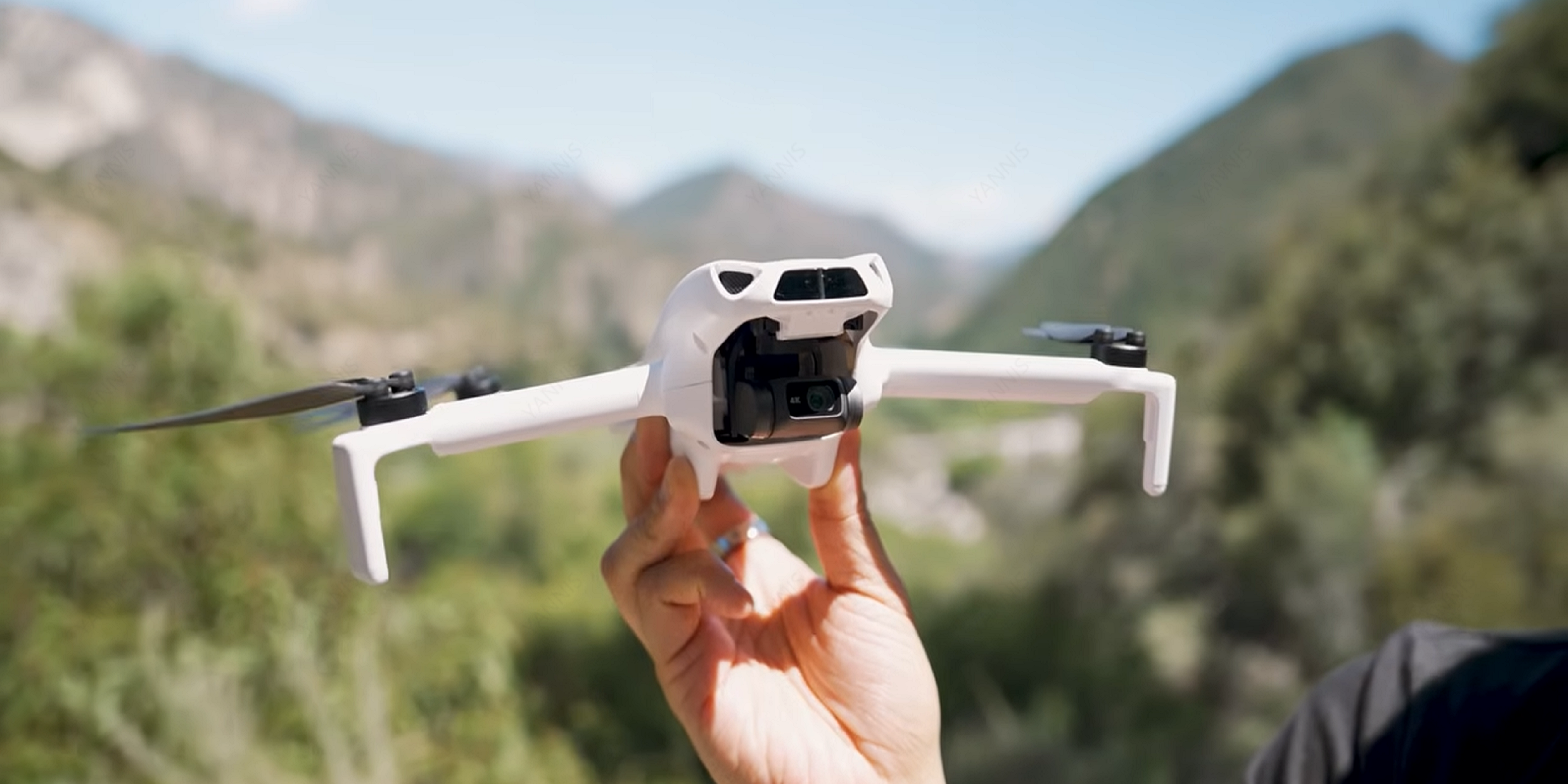
The SKYROVER S1 is the more direct starting point for buyers who want an affordable beginner drone with a camera, long battery time, and automatic subject tracking. The SKYROVER X1 is the stronger step-up choice when broader obstacle sensing, high-frame-rate video, and more flexible creator tools matter.
Independent coverage can help validate how a product behaves beyond its specification sheet. The Gadgeteer has published a hands-on look at the S1, while SKYROVER's March 2026 announcement documents the model's intended positioning and launch specifications. Both are listed in the sources below; company announcements should be read as first-party information rather than independent testing.
U.S. drone rules every beginner should know
In the United States, all recreational flyers must pass the free Recreational UAS Safety Test, commonly called TRUST, and carry proof of completion while flying. The FAA states that drones weighing 0.55 pounds (250 g) or less generally do not need registration only when they are flown under the Exception for Limited Recreational Operations. Business use, including paid real-estate photography, follows different requirements under Part 107.
- Fly for a clearly recreational purpose if using the recreational exception.
- Keep the aircraft within visual line of sight.
- Check airspace and obtain authorization where required.
- Give way to crewed aircraft and never operate carelessly.
- Check federal, state, local, and site-specific restrictions before takeoff.
Rules change, and an aircraft's accessories can affect takeoff weight. Always use the current FAA recreational flyer guidance and FAA registration guidance rather than relying only on a retailer summary.
Your first-flight checklist
Before leaving home
- Charge the aircraft, controller, and phone if one is required.
- Install firmware updates before arriving at the location.
- Format a compatible memory card and confirm recording settings.
- Review the weather, airspace, and location rules.
At the takeoff point
- Choose a wide, open area away from people, trees, wires, and moving vehicles.
- Inspect propellers, arms, battery seating, and the camera gimbal.
- Wait for the required positioning status and verify the return-to-home point.
- Set an appropriate return altitude after checking the surrounding obstacles.
During the first flight
- Hover at a low, safe height and test small control inputs.
- Practice moving forward, backward, left, and right before using automated modes.
- Land with a generous battery reserve instead of waiting for a critical warning.
- Review the flight log and footage before changing several settings at once.
For your first practice sessions, follow our battery charging and flight-planning checklist. It covers useful shooting time, recovery margin, and a simple log for learning from each flight.
Common beginner mistakes to avoid
Buying only on camera resolution: A stable gimbal and predictable flight system often improve results more than a headline resolution number.
Practicing near obstacles: Obstacle sensors are assistance systems, not permission to fly close to branches, glass, or power lines.
Ignoring wind at altitude: Conditions above rooftops or ridges can be stronger than they feel on the ground. Begin close and low in an open area.
Learning automated tracking first: Understand manual stop, hover, and return controls before asking the aircraft to follow a moving subject.
Using every battery to zero: Leave enough power to react to wind, a missed approach, or a changed landing area.
Beginner drone FAQ
What is the best beginner drone?
The best beginner drone is the one that matches your intended filming style and provides GPS stability, clear return-to-home behavior, adequate battery time, and accessible support. S1 is a practical value choice for first-time SKYROVER pilots; X1 adds broader sensing and more advanced camera modes.
Are cheap drones good for beginners?
Low-cost drones can teach basic controls, but they often have shorter flights, weaker wind performance, and less stable video. Buyers who want a camera drone they can continue using should compare the total kit and safety features, not only the purchase price.
Do beginner drones need obstacle avoidance?
It is useful but not mandatory. Forward sensing can help in open-area practice, while broader sensing is valuable around complex environments. No system reliably detects every wire, branch, surface, or low-light obstacle.
Do I need an FAA license to fly a drone for fun?
Recreational flyers do not obtain a Part 107 Remote Pilot Certificate solely for hobby flying, but they must complete TRUST and follow the recreational exception's requirements. Registration depends on aircraft weight and operation type. Commercial or work-related flights generally fall under Part 107.
How many batteries should a beginner buy?
Two or three batteries make practice less rushed and are useful for travel. Let batteries cool before recharging and follow the manufacturer's storage guidance.


Leave a comment
This site is protected by hCaptcha and the hCaptcha Privacy Policy and Terms of Service apply.