

Walk into any electronics store or scroll through drone listings online, and you will see the same claim repeated like a mantra: "Under 249 grams -- no FAA registration required." It is the single biggest selling point for ultra-light drones, and for good reason. Nobody wants to fill out government paperwork just to fly a camera around a park on a Saturday afternoon. But how accurate is that claim, really? Does being under 249 grams truly mean you can ignore the FAA entirely?
The short answer is: mostly yes, for recreational flying. The longer answer involves understanding what "recreational" actually means, what rules still apply regardless of weight, and how recent changes to Remote ID requirements have shifted the landscape for every drone pilot in the United States.
The 249-Gram Threshold: Where It Comes From and What It Means
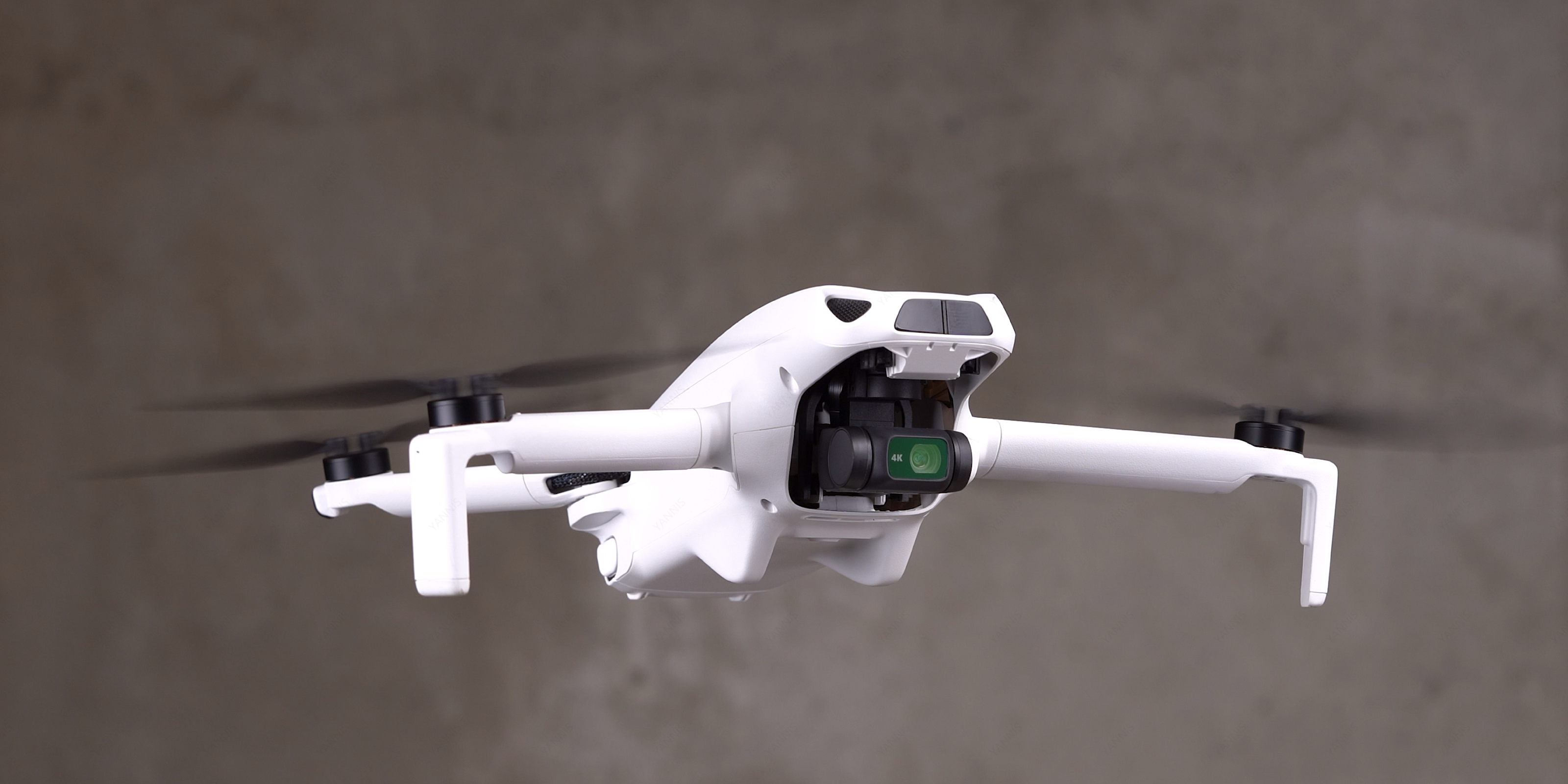
The 249-gram weight limit is not an arbitrary number picked by drone manufacturers. It comes directly from the FAA's registration framework. Under FAA registration rules, drones weighing less than 0.55 pounds (250 grams) are exempt from the registration requirement when flown purely for recreational purposes. This means that drones like the Skyrover X1 (which comes in under 249g fully loaded) and the Skyrover S1 (also under 249g) fall into a regulatory sweet spot that saves their owners time and money.
However, the exemption is specifically about registration, not about following safety rules. Think of it this way: you might not need to register a bicycle, but you still have to obey traffic laws when you ride it on public roads.
What Recreational Pilots Still Need to Follow
Even with an unregistered sub-249g drone, recreational pilots in the US must comply with several important rules. These are not suggestions -- they are federal regulations, and violating them can result in fines or other enforcement action.
Altitude and Line of Sight
The FAA requires all drone pilots, regardless of aircraft weight, to fly below 400 feet above ground level and to keep the drone within visual line of sight at all times. This means you need to be able to see your drone with your own eyes (not just through a camera feed or FPV goggles) throughout the entire flight. The Skyrover X1 has a 15km transmission range, but that does not mean you should fly it 15 kilometers away -- you would lose visual contact long before that distance.
Airspace Restrictions
Sub-249g drones are not exempt from airspace rules. You cannot fly near airports, in controlled airspace without authorization, over military installations, or in Temporary Flight Restrictions (TFRs). The FAA's B4UFLY app and LAANC system are free tools that help you check airspace before every flight. Many drone apps, including the one used with Skyrover drones, include geofencing alerts that warn you when you are approaching restricted areas.
Flying Over People and Moving Vehicles
The FAA's Operation Over People rule categorizes drones based on weight and safety features. Sub-249g drones without exposed rotating blades that could cause lacerations generally fall into Category 1, which allows flight over people (but not over open-air assemblies of people). Still, this is an area where you should exercise common sense and caution regardless of what the letter of the regulation permits.
The Big Exception: When You DO Need to Register
Here is where many pilots get caught off guard. The sub-249g registration exemption only applies to recreational flying. The moment you use your drone for any commercial purpose, the exemption disappears, and you need both registration and a Part 107 certification.
What Counts as Commercial Use?
The FAA defines commercial drone use broadly. If you are making money directly or indirectly from your drone footage, it is commercial. Here are common scenarios that many people do not realize cross the line into commercial territory:
- Monetized YouTube videos: If your drone footage appears in a video that earns ad revenue, that is commercial use under FAA interpretation.
- Real estate photography: Even if you are photographing your own property to sell it, using drone images in a listing counts as commercial.
- Freelance content creation: Any client work involving aerial footage requires Part 107 certification.
- Wedding videography: If you are paid to film an event with your drone, you need certification.
- Social media influencer content: If you receive compensation, sponsorships, or affiliate income linked to drone content, the FAA may consider it commercial.
This means a travel blogger using a Skyrover X1 to capture footage for a monetized travel channel technically needs Part 107 certification, even though the drone itself weighs less than 249 grams. The weight of the drone matters less than the purpose of the flight.
Getting Your Part 107 Certificate
If you determine that you need Part 107 certification, the process is manageable. You need to pass an aeronautical knowledge test at an FAA-approved testing center, pass a background check, and meet minimum age and health requirements. The test covers topics including airspace classification, weather patterns, emergency procedures, and drone regulations. Study materials are widely available online, and most pilots can prepare adequately within a few weeks of focused study.
Remote ID: The Rule That Applies to Everyone
Since March 16, 2024, the FAA has required all drones flown in US airspace to comply with Remote ID regulations. This is arguably the most significant regulatory change for drone pilots in recent years, and it applies to sub-249g drones just as much as it does to larger aircraft.
Remote ID is essentially a digital license plate for your drone. It broadcasts identification information, location, altitude, and control station details either through a built-in transmitter or through a smartphone app connected to the drone. The purpose is to enable authorities and other stakeholders to identify drones operating in the airspace, improving safety and accountability.
Compliance Options
There are three ways to comply with Remote ID requirements:
- Standard Remote ID: The drone has a built-in Remote ID broadcast module. This is the easiest option -- the drone handles compliance automatically.
- Remote ID Broadcast Module: You attach an FAA-recognized broadcast module to a drone that does not have built-in Remote ID. You also need to register the drone and display the registration number.
- FIDO (FAA-Recognized Identification Areas): You fly only at fixed flying sites that have been recognized by the FAA and community-based organizations. This option is primarily used by model aircraft enthusiasts at established flying fields.
When shopping for a drone in 2025 and beyond, checking for built-in Remote ID compliance should be a basic requirement. Both the Skyrover X1 and Skyrover S1 include Remote ID capability, which means they broadcast the required information automatically without any additional hardware or setup from the pilot.
State and Local Laws: The Patchwork Problem
Federal FAA rules are only part of the picture. State and local governments have been increasingly passing their own drone regulations, and these can be more restrictive than federal rules. Some common state and local restrictions include:
- Privacy laws: Several states have laws prohibiting the use of drones for surveillance or capturing images of people without consent on private property.
- Park restrictions: Many state parks, national parks, and local parks prohibit drone flights entirely or require special permits.
- City ordinances: Cities like New York, Chicago, and Los Angeles have local ordinances that restrict or prohibit drone flights in certain areas, even when FAA rules would otherwise permit them.
- Critical infrastructure: Many states have laws prohibiting drone flights over power plants, government buildings, and other critical infrastructure.
The best practice is to research the local regulations for your specific flight location before every flight. FAA rules set the minimum standard, but state and local laws can impose additional restrictions that you are legally required to follow.
The TRUST Exam: A Quick Requirement for Recreational Pilots
One requirement that many new drone pilots overlook is the TRUST (The Recreational UAS Safety Test) exam. Since 2021, the FAA requires all recreational drone pilots to pass this free online test before flying. It covers basic safety and regulatory knowledge and takes about 15 to 30 minutes to complete. You can take it through FAA-approved test administrators like the Academy of Model Aeronautics (AMA) or the FAA's own online portal.
The TRUST exam is not difficult, but it is legally required. Once you pass, you receive a certificate that you should carry with you (either digitally or printed) when you fly. There is no age minimum, and the test is free -- there is really no reason not to take it before your first flight.
Insurance: Not Required, but Worth Considering
The FAA does not require drone insurance for recreational pilots, and most homeowner's and renter's insurance policies do not cover drone-related incidents. If you are flying in populated areas, over property, or near other people, drone liability insurance can protect you financially in case of an accident. Organizations like the AMA offer liability coverage as part of their membership, and standalone drone insurance policies are available from several providers at reasonable rates.
Practical Takeaways for Sub-249g Drone Owners
Here is a straightforward summary of what you need to know as an owner of a sub-249g drone like the Skyrover X1 or S1:
| Scenario | Registration Required? | Certification Required? |
|---|---|---|
| Recreational flying (no monetization) | No | TRUST exam (free, online) |
| Monetized YouTube/social media | Yes ($5, valid 3 years) | Part 107 |
| Client work or professional services | Yes | Part 107 |
| Flying in controlled airspace | Depends on use | LAANC authorization always needed |
Flying Responsibly Is Good for Everyone
The regulatory flexibility that sub-249g drones offer is a genuine advantage. Drones like the Skyrover X1 and S1 give you a powerful aerial platform without the administrative overhead of registration -- for recreational use. But that flexibility comes with a responsibility to fly safely, know the rules, and respect the airspace and the people around you.
The drone industry is still relatively young, and regulations continue to evolve. Every irresponsible flight that makes the news pushes regulators toward stricter rules for everyone. By understanding and following the regulations that do apply, even as a recreational pilot with an unregistered sub-249g drone, you help ensure that this hobby and profession remains accessible for years to come.
For more details on the drones mentioned in this article, including full specifications and Remote ID compliance information, visit skyroverdrone.com.



Leave a comment
This site is protected by hCaptcha and the hCaptcha Privacy Policy and Terms of Service apply.