
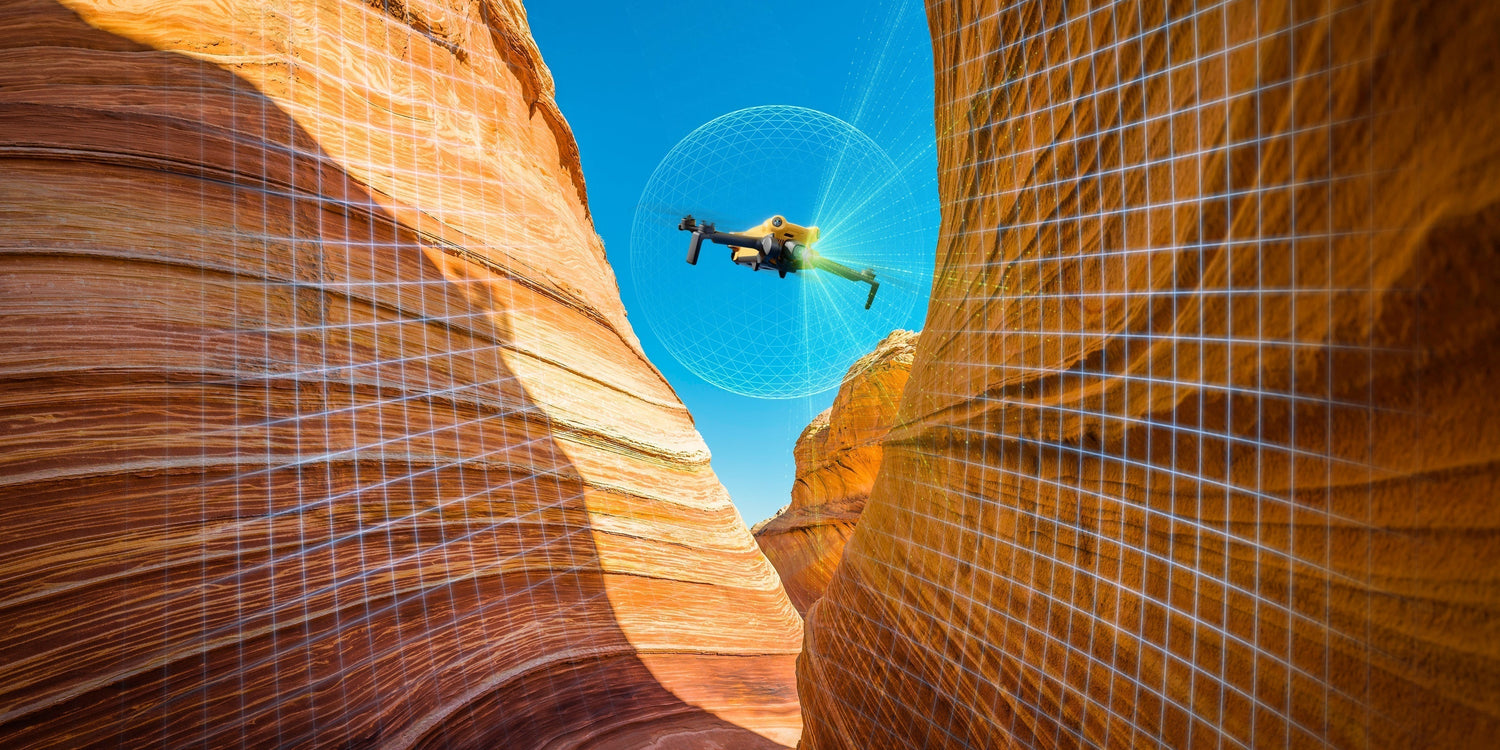
Fly Smart. Fly Safe. Stay Compliant.
Before You Fly: FAA Basics You Must Know
Flying drones in the U.S. requires following rules set by the Federal Aviation Administration. Even lightweight drones like Skyrover S1 and X1 (<249g) must follow key safety guidelines.
Registration Rules
- Recreational use:
- Under 249g → No registration required
- Commercial use (content monetization, client work):
- Part 107 certification required
Core FAA Rules
- Fly below 400 ft (120 m)
- Maintain visual line of sight (VLOS)
- Do NOT fly near:
- Airports
- Emergency response areas
- Crowds or moving vehicles
✅ Tip: Always check local airspace before flying using apps like B4UFLY.
Skyrover S1 & X1: Safety Features Overview
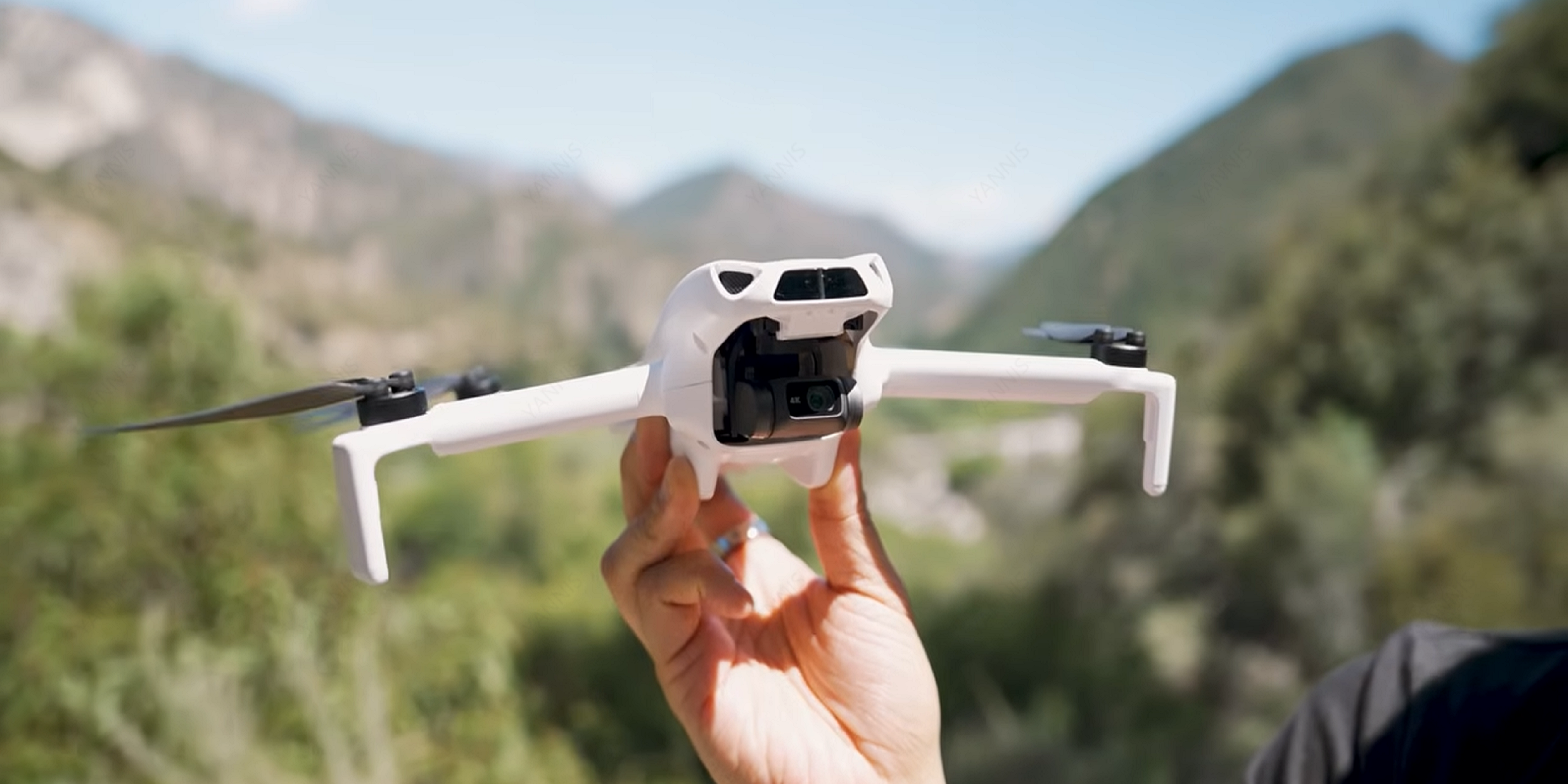
Skyrover X1 – Advanced Safety System
360° Obstacle Avoidance
- AI Auto Tracking (Follow / Orbit / Reveal)
- Long-range stable transmission
👉 Ideal for: outdoor, complex environments, cinematic shots
Skyrover S1 – Beginner-Friendly Safety
- Forward Obstacle Avoidance
- One-tap takeoff & landing
- Vertical video shooting (TikTok-ready)
👉 Ideal for: beginners, indoor, travel content
Pre-Flight Safety Checklist
Before every flight, follow this quick checklist:
✅ Equipment Check
- Battery fully charged
- Propellers intact and clean
- Firmware updated
✅ Environment Check
- Level 5(≈19–24 mph) Wind Resistance for S1 and X1
- No nearby obstacles (trees, wires, buildings)
- Clear GPS signal
✅ Legal Check
- Airspace verified
- No restricted zones
- Respect privacy laws
In-Flight Best Practices
Safe Flying Techniques
- Start in Beginner Mode
- Keep drone within line of sight
- Avoid sudden acceleration or sharp turns
Using Obstacle Avoidance
- Don’t rely 100% on sensors
- Slow down in tight environments
- Combine manual control + AI assistance
Battery Management
- Return home at 20–25% battery
- Avoid deep discharge (<10%)
- Carry extra batteries for extended sessions
Smart Shooting Without Risk
To balance creativity and safety, follow these proven shot techniques:
Safe Cinematic Shots
- Follow Shot: Use AI tracking for moving subjects
- Orbit Shot: Ensure clear radius before circling
- Reveal Shot: Fly backward slowly with obstacle awareness
Indoor Flying Tips
- Use low-speed mode
- Avoid reflective surfaces
- Keep altitude stable
Common Beginner Mistakes (And How to Avoid Them)
❌ Flying too far too fast
✔ Start with short-distance flights
❌ Ignoring wind conditions
✔ Always check weather before takeoff
❌ Over-relying on obstacle sensors
✔ Maintain manual awareness
❌ Not planning shots
✔ Pre-visualize flight path
Emergency Situations: What to Do
- Signal loss: Drone will auto hover or return home
- Low battery: Initiate return immediately
- Obstacle warning: Stop and reposition manually
🚨 Always prioritize safety over capturing the shot
Why Skyrover S1 & X1 Are Safe for Beginners and Creators
- Lightweight (<249g) → lower regulatory barrier
- AI-assisted flight → reduced learning curve
- Obstacle avoidance → minimized crash risk
- Portable design → fly anywhere, anytime
Explore more at: www.skyroverdrone.com



Leave a comment
This site is protected by hCaptcha and the hCaptcha Privacy Policy and Terms of Service apply.