

Most drone marketing shows you sweeping aerial shots of coastlines at golden hour, vast mountain landscapes, and panoramic city skylines. Those shots are beautiful, and modern lightweight drones like the Skyrover X1 and S1 are excellent at capturing them. But a growing number of creators are using compact drones in an entirely different way: navigating tight indoor spaces, weaving through narrow alleyways, filming in crowded markets, and capturing intimate travel moments in places where a larger drone simply could not go.
This is the side of drone filmmaking that rarely makes it into promotional videos but represents some of the most creative and challenging work being done with small drones today. Let us explore how lightweight drones perform in these real-world scenarios, what makes tight-space flying different, and how to get the best results when the environment is working against you.
Why Small Drones Excel in Tight Spaces
The advantages of a sub-249g drone in confined environments go beyond just physical size, though that is where it starts. A drone like the Skyrover S1 with its folded dimensions fits into a jacket pocket or small bag compartment. You can carry it through a museum, a hotel lobby, or a busy market without attracting the attention that a larger drone in a dedicated carrying case would. This portability changes the kinds of shots you can capture, because you always have the drone with you rather than leaving it behind because it was too bulky to bring along.
But the real advantages are more nuanced:
Lower Inertia, Less Damage Potential
A drone weighing less than 249 grams carries significantly less kinetic energy than a heavier drone at the same speed. If a collision does occur in a tight space, the damage to objects and people is likely to be much less severe. This is not a license to be careless, but it does mean that the consequences of a mistake are more manageable, which makes tight-space flying more practical and less risky.
Quieter Operation
Smaller drones with smaller propellers produce less noise than their larger counterparts. In indoor environments, this matters more than you might expect. A loud drone buzzing around a cafe or hotel lobby will disturb people and attract negative attention. The S1 and X1 produce a noticeable but relatively mild sound that is less intrusive in confined spaces.
Maneuverability
Lightweight drones can change direction quickly and stop in short distances, which is essential when navigating around furniture, doorways, and other obstacles in tight spaces. The flight controllers in modern drones are tuned to make precise movements at low speeds, allowing for controlled flight through gaps and around obstacles that would challenge a larger, heavier aircraft.
Indoor Flying: Techniques and Realities
Flying indoors presents a fundamentally different set of challenges compared to outdoor flight. Understanding these differences is the first step toward capturing great indoor footage safely.
The GPS Problem
Indoors, GPS signals are weak or entirely unavailable. Without GPS, the drone cannot maintain a stable hover as precisely as it does outdoors. Most modern drones, including the Skyrover S1 and X1, compensate for this using downward vision sensors and optical flow positioning. These systems use the camera and infrared sensors pointing downward to detect the ground texture and movement, allowing the drone to hold its position relative to the floor.
This works well on textured surfaces -- patterned carpets, tile floors, wooden surfaces with visible grain. It works less well on completely uniform surfaces like solid white floors or glass tabletops. If you are flying indoors, be aware of what is beneath the drone and how the positioning system might respond.
Obstacle Avoidance Indoors
The Skyrover S1 features forward obstacle avoidance, which is the single most important sensor for indoor flight. Most indoor collisions happen when the drone flies into something in front of it -- a wall, a doorframe, a piece of furniture. The forward sensor provides a meaningful safety net in these situations.
The Skyrover X1, with its 360-degree obstacle avoidance, offers more comprehensive indoor protection. Sensors facing upward can prevent the drone from rising into a ceiling, and side sensors help when navigating through narrow passages or between furniture. However, indoor environments present unique challenges for obstacle avoidance systems: transparent surfaces (glass walls, windows), very thin objects (curtain rods, wires), and surfaces that absorb rather than reflect infrared light can all cause sensor failures.
Practical Indoor Scenarios
Here are some common indoor scenarios where compact drones genuinely add value to content creation:
- Real estate walkthroughs: Flying a drone through a home interior creates dynamic establishing shots that static video cannot match. Starting from outside, flying through the front door, and gliding through rooms gives viewers a sense of flow and space that traditional walkthroughs lack.
- Event venue previews: Drone footage of a wedding venue, conference space, or restaurant interior provides a perspective that helps potential clients understand the layout and scale of the space.
- Creative and artistic shots: Some filmmakers are using drones indoors for tracking shots that would otherwise require expensive dolly or gimbal rigs. Following a subject through a hallway, around corners, or between rooms creates cinematic movement with minimal equipment.
- Product reveals: Starting close on a product and slowly pulling back to reveal the surrounding space is a technique that works beautifully with a compact drone in a studio or showroom setting.
Travel Vlogging: Compact Drones on the Road
Travel content creation is where sub-249g drones have had the most transformative impact. The combination of portability, capable cameras, and regulatory simplicity has made it practical to bring a quality aerial camera on trips where a larger drone would have been left at home.
The Packing Advantage
When you are traveling, every ounce and every cubic inch of bag space matters. The Skyrover S1 folds down to a size that fits in a side pocket of a backpack, alongside a water bottle and a guidebook. The X1 is slightly larger but still remarkably compact. Both weigh less than 249 grams, which means no FAA registration is needed for recreational use -- one less thing to worry about when you are already juggling travel logistics.
The practical impact is significant: creators who previously had to choose between bringing a drone or packing other essential gear can now bring both. The drone becomes an always-available tool rather than a special-occasion item that requires advance planning.
Travel Scenarios Where Compact Drones Shine
Markets and Street Scenes
Flying low over a bustling market or street scene creates immersive establishing shots that ground the viewer in the location. With forward obstacle avoidance engaged and the drone in low-speed mode, you can fly slowly down a market aisle or along a street at a height of two to three meters, capturing the energy and color of the environment. The key is to fly at times when crowds are manageable and to maintain a safe distance from people.
Hotel and Accommodation Tours
Many travel vloggers include hotel or accommodation tours in their content. A compact drone lets you add dynamic movement to these segments -- flying into a room through a balcony door, slowly rising to reveal an ocean view, or circling to show the full layout of a suite. These shots take 30 seconds to capture but add production value that static phone footage cannot match.
Hiking and Nature Trails
While wide-open nature shots are the bread and butter of drone videography, compact drones also excel at lower-altitude shots along trails. Flying ahead of a hiker along a forest path, following a stream through a canyon, or rising above the tree canopy from a small clearing are all shots that benefit from the maneuverability and low weight of a sub-249g drone. If you are hiking in strong wind or dense forest, be aware that these environments challenge both the drone's stability and its obstacle avoidance systems.
Urban Architecture
Compact drones are well suited to capturing architectural details in urban environments. Flying along the facade of a building, circling a monument, or rising between buildings to reveal a cityscape from a unique angle are all techniques that work well at low altitudes and slow speeds. In urban areas, be particularly mindful of local drone regulations, restricted airspace, and the density of the surrounding environment.
Techniques for Tight-Space Flying
Flying in confined environments requires a different approach than open-air aerial photography. Here are techniques that experienced pilots use to get the best results:
Master Low-Speed Mode
Both the Skyrover X1 and S1 offer flight speed modes. In tight spaces, always use the lowest speed setting. This reduces the drone's maximum speed and increases control stick sensitivity, giving you finer control over movement. It also gives obstacle avoidance systems more time to detect and respond to hazards, and reduces the severity of any collision that does occur.
Plan Your Route Before Flying
Before takeoff, walk the intended flight path and identify potential hazards: low-hanging lights, ceiling fans, glass doors, narrow passages, and fragile objects. Having a mental map of the space helps you fly confidently without surprises. For complex routes, consider practicing at a slower speed or lower altitude on the first pass before committing to the full shot.
Use Manual Camera Settings
In indoor and tight-space environments, lighting conditions change rapidly. You might fly from a well-lit room into a dimly lit hallway, or from shade into direct sunlight streaming through a window. While auto exposure handles most situations, manually locking exposure before entering a challenging lighting zone prevents the distracting exposure shifts that automatic systems sometimes produce during transitions.
Combine AI Tracking with Manual Control
AI tracking is useful for following a subject through a defined space, but in tight environments, it works best when combined with manual input. Let the AI handle the subject tracking while you make manual adjustments to the drone's altitude and position relative to obstacles. This hybrid approach gives you the creative control of manual flying with the consistency of automated subject tracking.
Practice the "Three-Second Rule"
In tight spaces, keep each continuous shot short -- three to five seconds of smooth footage is usually more usable than a long, complex maneuver that risks a collision. You can always stitch together multiple short clips in editing. Think of each flight segment as capturing one clean shot, then reposition for the next one.
Vertical Video and Social Media Content
The rise of vertical video platforms has changed how creators think about drone footage. TikTok, Instagram Reels, and YouTube Shorts all use 9:16 vertical format, and traditional landscape drone footage does not translate well to these platforms without significant cropping.
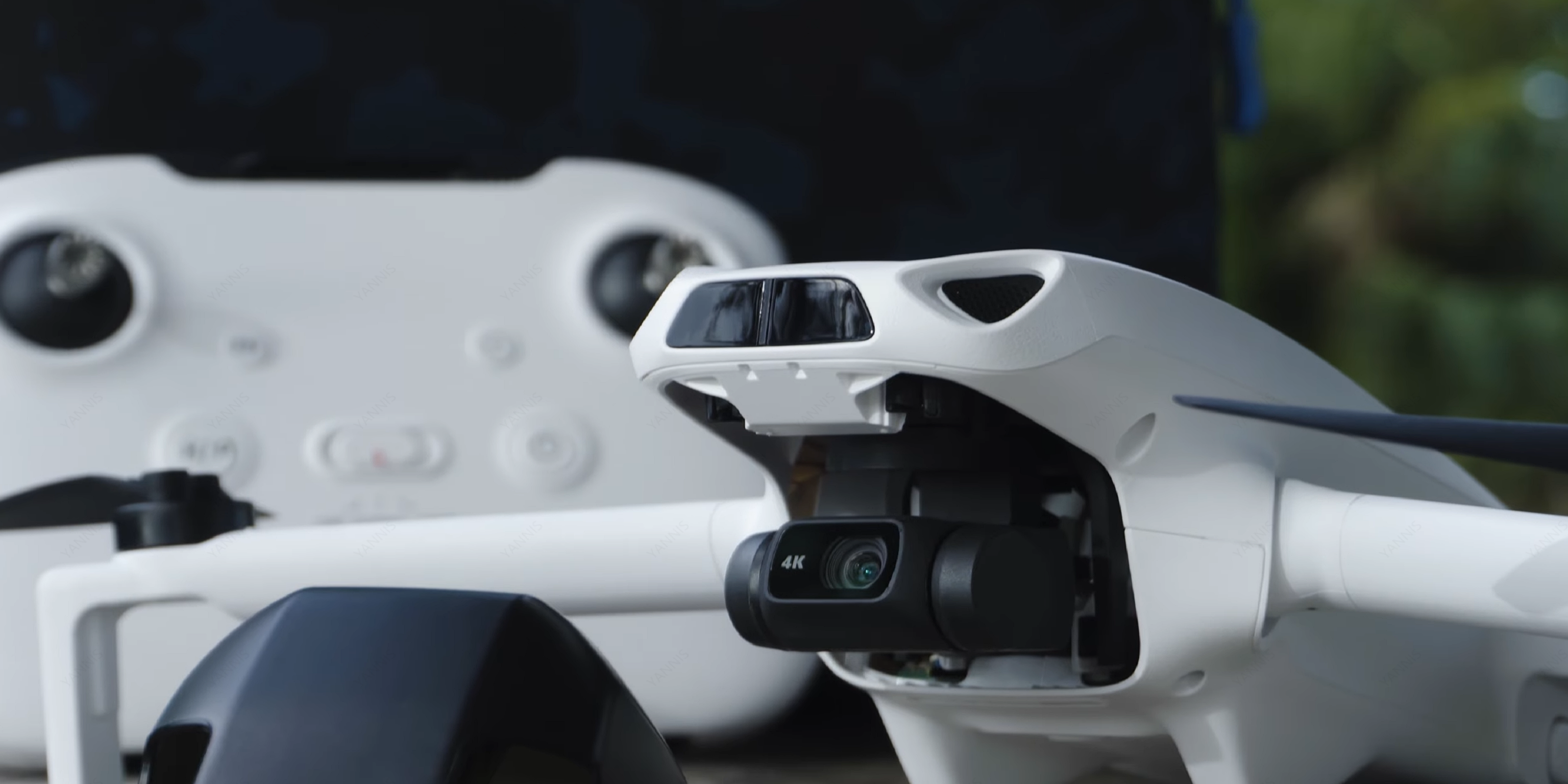
The Skyrover X1 addresses this with true 4K vertical video capability. Rather than cropping a horizontal frame to vertical (which wastes pixels and reduces resolution), the camera rotates to capture a full 4K vertical frame. For travel and lifestyle creators who publish primarily to vertical platforms, this is a meaningful feature that eliminates a post-production compromise.
The Skyrover S1 also supports vertical shooting, making both drones practical tools for social media content creation in tight spaces and travel scenarios where vertical composition is the default.
Weather and Environmental Considerations
Tight-space and urban flying introduces environmental factors that open-air pilots may not encounter as frequently:
Wind Tunnels and Microclimates
In urban environments, buildings create wind tunnels where wind speeds can be significantly higher than the ambient wind speed. A 15 km/h breeze can accelerate to 30 km/h or more in a narrow passage between tall buildings. Both the Skyrover X1 and S1 offer Level 5 wind resistance, but wind tunnel effects can be sudden and unpredictable. If you feel strong gusts at ground level, expect even stronger and more turbulent air at drone altitude.
Electromagnetic Interference
Urban environments are saturated with electromagnetic signals from Wi-Fi routers, cellular towers, radio transmitters, and industrial equipment. This interference can reduce the effective range and reliability of your drone's control signal. If you experience sudden signal drops or erratic behavior, electromagnetic interference is a likely cause. Reduce your distance from the drone and avoid hovering near transmission equipment or large metal structures.
Temperature Effects
Battery performance degrades in cold temperatures. If you are filming in a cold environment -- a ski lodge, an ice hotel, or a winter outdoor market -- expect reduced flight time and keep batteries warm (in an inside pocket, for example) until just before flight. Both drones' advertised flight times (approximately 32 minutes for the X1, 40 minutes for the S1) assume moderate temperatures around 25 degrees Celsius. At temperatures near freezing, flight time can decrease by 20 percent or more.
Safety Etiquette for Public Spaces
Flying in and around people requires a higher standard of care than flying in open, unpopulated areas. Here are guidelines that responsible pilots follow:
- Ask permission when possible: In private businesses like cafes, hotels, and shops, ask the manager before flying inside. Many are receptive, especially if you explain that it is a small, safe drone.
- Fly during quieter periods: Avoid peak hours when crowds make tight-space flying more difficult and potentially disruptive.
- Keep your distance: Maintain at least a few meters of clearance from people who are not part of your planned shot.
- Be transparent: If someone asks what you are doing, explain briefly and politely. Most people are curious rather than hostile, and a friendly response builds positive perception of drone pilots.
- Know when to stop: If the environment is too crowded, the lighting is too challenging, or you are not getting the shots you want, it is better to pack up and try again another time than to push your luck.
Making the Most of Compact Drone Footage in Post
Footage captured in tight spaces often benefits from specific post-production techniques:
Stabilization
Despite excellent in-camera stabilization, footage from tight-space flights may show subtle vibrations or wobble, especially when flying near obstacle avoidance system limits. Most video editing software offers stabilization tools that can smooth out these minor imperfections without degrading image quality.
Speed Ramping
In tight spaces, you often cannot fly as fast as you would like. Speed ramping in post-production allows you to slow down or speed up sections of footage to create dramatic effect. A slow approach through a doorway that accelerates as the room opens up creates a dynamic reveal that works well for travel and architectural content.
Color Grading for Mixed Lighting
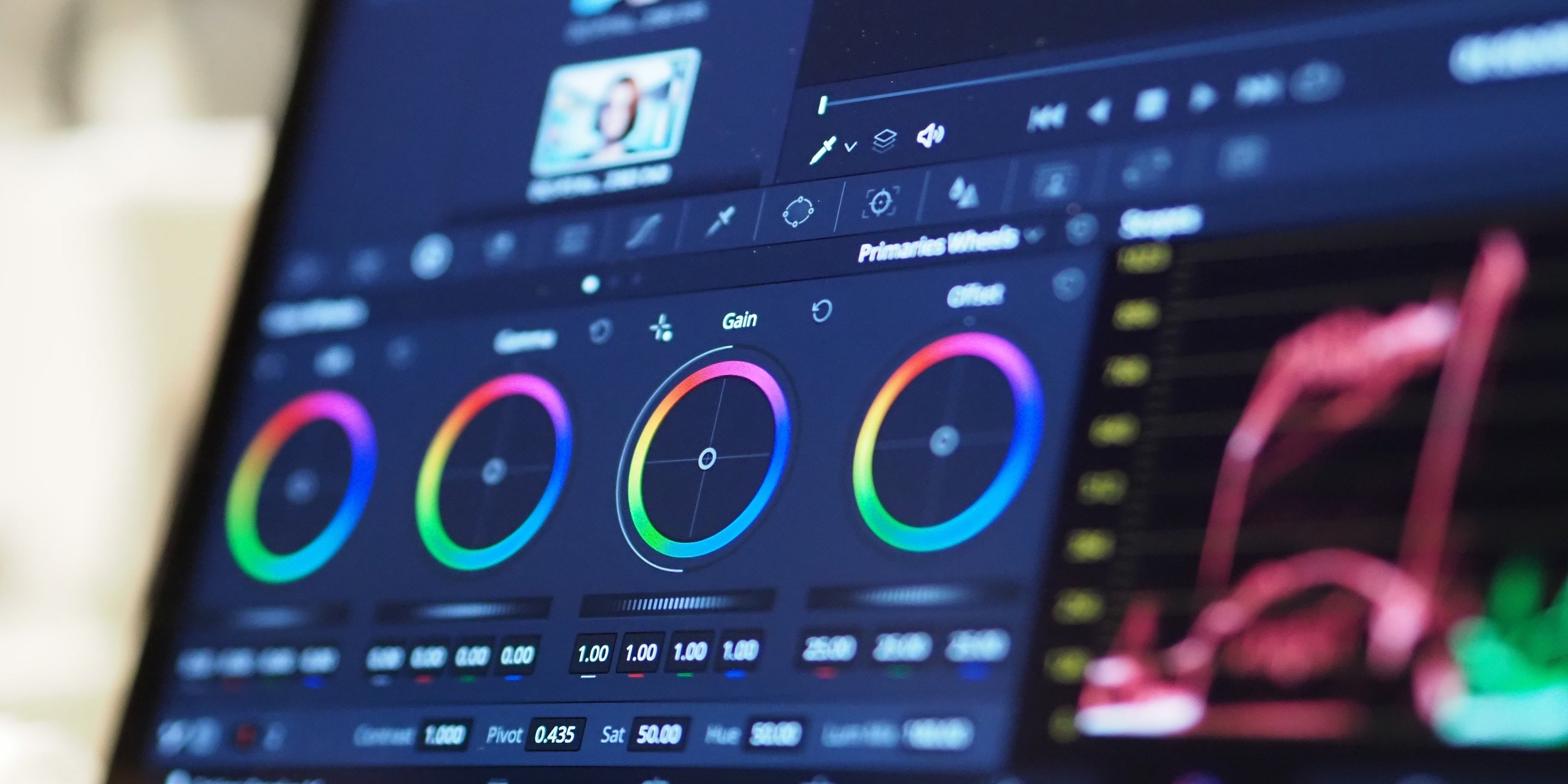
Indoor and urban environments often have mixed lighting -- daylight through windows, fluorescent overhead lights, warm tungsten lamps. Color grading helps unify the look of footage captured across these varying conditions. Shooting in a flat or log profile (if available) gives you more latitude for correction in post.
The Compact Drone as a Creative Tool
The real value of a sub-249g drone for tight-space and travel content creation is not just the specifications on a feature list. It is the fact that the drone is small enough and light enough to always be with you, capable enough to capture professional-quality footage, and regulated lightly enough that you can focus on creativity rather than compliance paperwork. Whether you are navigating a narrow hotel corridor, weaving through a vibrant street market, or capturing a dramatic architectural reveal in a historic city center, a compact drone opens creative possibilities that were previously impractical or impossible.
The Skyrover X1 with its 360-degree obstacle avoidance and true 4K vertical video excels in environments where comprehensive sensing matters. The Skyrover S1 with its lighter weight, longer battery life, and more compact folded size is ideal for travel situations where every gram counts and forward obstacle avoidance covers the essentials.
Explore the full range of Skyrover drones and find the right fit for your creative workflow at skyroverdrone.com.


Leave a comment
This site is protected by hCaptcha and the hCaptcha Privacy Policy and Terms of Service apply.