
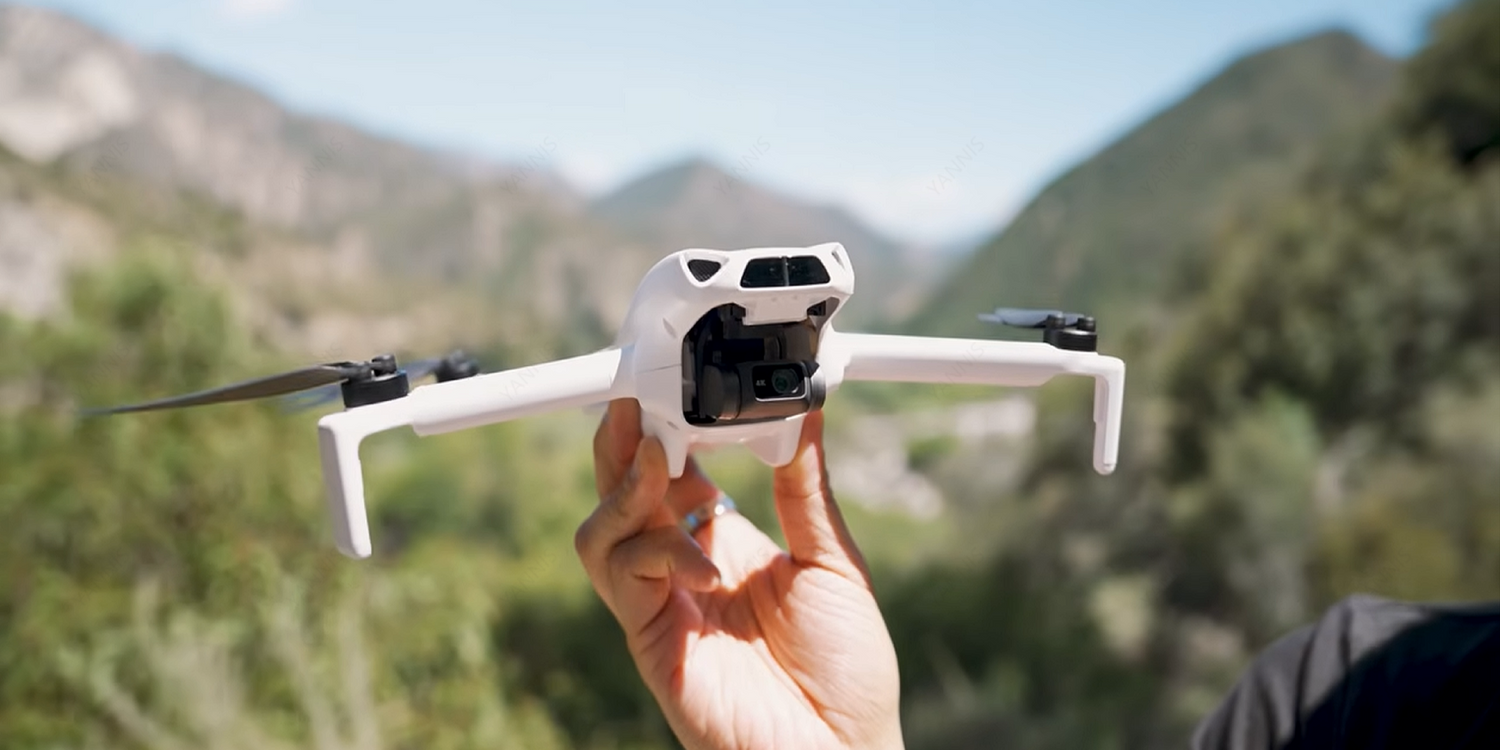
Quick verdict: Choose the SKYROVER S1 if you want longer stated flight time, forward obstacle sensing, a traditional controller workflow, and strong camera specifications at a lower entry price. Choose DJI Flip if palm launch, full-coverage propeller guards, DJI's established software ecosystem, and optional 10-bit D-Log M are more important. Both weigh under 249 g and record 4K/60fps, but they are designed for different types of beginners.
This SKYROVER S1 vs DJI Flip comparison uses current manufacturer specifications and separates first-party claims from independent coverage. Prices and bundles change, so use the linked product pages for today's offer rather than treating a promotional price as permanent.
SKYROVER S1 vs DJI Flip specifications
| Feature | SKYROVER S1 | DJI Flip |
|---|---|---|
| Takeoff weight | Under 249 g | Under 249 g |
| Image sensor | 1/2-inch Sony CMOS | 1/1.3-inch CMOS |
| Maximum still resolution | 48 MP / 8K output | 48 MP |
| Maximum standard 4K video | 4K/60fps | 4K/60fps HDR; 4K/100fps is also listed in DJI's specifications |
| Stabilization | 3-axis mechanical gimbal | 3-axis mechanical gimbal |
| Maximum stated flight time | Up to 40 minutes | Up to 31 minutes |
| Maximum stated transmission | Up to 12 km | Up to 13 km in DJI's FAQ |
| Obstacle sensing | Forward and downward sensing | Forward-facing 3D infrared sensing plus downward visual positioning |
| Tracking | AI Auto Track | Subject Tracking and FocusTrack features |
| Vertical capture | True 2.7K vertical shooting | 2.7K vertical shooting |
| Distinctive design | Traditional folding camera drone | Foldable full-coverage propeller guards and palm takeoff |
Figures are manufacturer maximums measured under stated test conditions. Flight time, range, sensing, and tracking performance vary with environment, settings, firmware, interference, and local rules.
Which is easier for a first-time pilot?
DJI Flip prioritizes fast, close-range capture
DJI Flip can launch from the palm and uses full-coverage propeller guards. That design is attractive for travelers and vloggers who want to start an automated shot quickly without setting up a conventional takeoff area. Its established DJI Fly workflow, QuickShots, and subject-tracking tools also give new users a large library of tutorials and community guidance.
Palm launch and guards reduce friction, but they do not remove the need to understand airspace, wind, return behavior, and tracking limitations. DJI explicitly advises users to check local laws and fly within the product's operating conditions.
SKYROVER S1 prioritizes a conventional camera-drone workflow
S1 uses a traditional controller-led flight experience with GPS stability, return-to-home tools, a 3-axis gimbal, and forward obstacle sensing. That makes it a practical bridge between a beginner drone and the camera-drone controls a pilot will use on more advanced aircraft.
The model's up-to-40-minute stated flight time also gives beginners more room for basic practice before changing batteries. Independent coverage from The Gadgeteer provides an additional perspective on the S1's hardware and flight experience beyond SKYROVER's own materials.
Camera quality and editing flexibility
DJI Flip camera strengths
DJI specifies a 1/1.3-inch sensor, 48 MP stills, 4K/60fps HDR, 4K/100fps recording, and optional 10-bit D-Log M. The larger sensor and log option are meaningful for users who intend to color-grade footage and preserve more flexibility in challenging light.
SKYROVER S1 camera strengths
S1 uses a 1/2-inch Sony sensor with 48 MP stills, 4K/60fps video, a 3-axis mechanical gimbal, SR-Log, and true 2.7K vertical capture. It is designed to provide a stronger camera workflow than basic 4K/30fps budget drones while remaining accessible to a first-time buyer.
For casual travel videos, family footage, and social content, both models provide more than enough resolution. DJI Flip has the advantage for advanced color work and high-frame-rate 4K. S1 competes on value, flight duration, and the balance of tracking, sensing, and camera features.
Tracking and follow-me use
Both drones can keep a person in frame, but a follow-me result depends on more than whether a feature is listed. Look at the allowed distance, speed, direction, obstacle-sensing coverage, lighting, and what happens when the subject is briefly hidden.
S1's AI Auto Track is aimed at solo creators who want walking, hiking, or lifestyle footage while retaining the option to fly manually with a standard controller. DJI Flip combines subject tracking with palm launch and automated shooting modes, which is convenient for shorter vlogging sequences.
Neither system should be used as a substitute for an attentive pilot. Avoid tracking near roads, people, wires, branches, water, or terrain where the full path is not visible. For a broader buying framework, read our follow-me drone guide.
Obstacle sensing and physical protection
DJI Flip's full-coverage propeller guards help physically isolate the propellers, which is useful for close-range capture. DJI lists a forward-facing 3D infrared sensing system and downward visual positioning, but Flip does not provide the same omnidirectional vision layout as Mini 4 Pro.
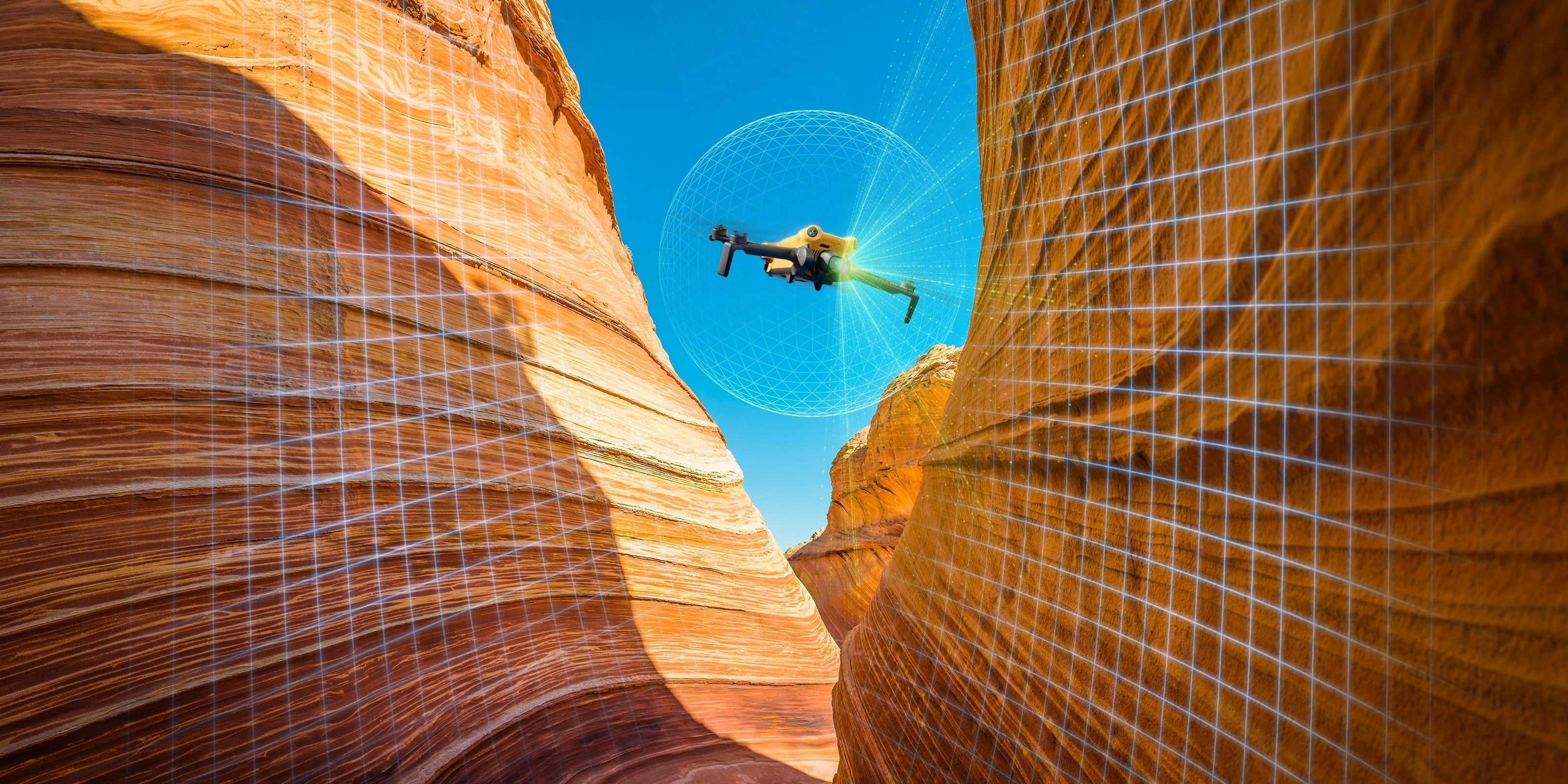
S1 provides forward and downward sensing. This can assist during forward flight and landing, but the sides and rear still require clear space and active pilot awareness. Buyers who need broader sensing coverage should compare the SKYROVER X1, which uses 360-degree sensing coverage, or read our drone obstacle-avoidance guide.
Battery, transmission, and travel
S1 lists up to 40 minutes per battery, while DJI lists up to 31 minutes for Flip. These figures are laboratory maximums. Wind, speed, recording settings, temperature, hovering, and return reserves reduce practical flight time. The most useful comparison is how many batteries are included in the specific bundle you plan to buy.
Both products list long-range transmission systems, but maximum range is not a recommended flight distance. U.S. rules generally require visual line of sight, and real-world interference can be much higher than in manufacturer testing. A stable nearby connection is more important to a beginner than attempting the published maximum.
Both aircraft are under 249 g in their standard configuration, which is useful for packing. Accessories can affect takeoff weight, and U.S. registration requirements depend on operation type. Commercial flights must follow Part 107 regardless of the aircraft being under 250 g.
Price and total ownership cost
S1 is positioned as the value-focused option. Compare the live price of the SKYROVER S1 with the exact DJI Flip bundle you are considering. Include batteries, charging hub, controller type, memory card, carrying case, protection plan, replacement propellers, and warranty support in the total.
A lower aircraft price is only valuable if the kit contains what your workflow needs. Conversely, a more expensive ecosystem is not automatically better if you will not use its advanced profiles or accessories.
Who should buy the SKYROVER S1?
- First-time pilots who want to learn a traditional camera-drone control layout.
- Travel and family creators who value longer stated battery time.
- Value-focused buyers who want 4K/60fps, a 3-axis gimbal, tracking, and forward sensing.
- Users who want a controller-led workflow with optional screen-controller configurations.
Who should buy DJI Flip?
- Vloggers who prioritize palm launch and full-coverage propeller guards.
- Existing DJI users who prefer the DJI Fly ecosystem.
- Creators who need 10-bit D-Log M or 4K/100fps.
- Users who value highly automated close-range shooting modes over maximum battery duration.
SKYROVER S1 vs DJI Flip FAQ
Is SKYROVER S1 cheaper than DJI Flip?
S1 is positioned at a lower entry price, but promotions and bundles change. Compare live prices and included accessories on the official product pages before buying.
Which drone has longer flight time?
S1 lists up to 40 minutes, while DJI Flip lists up to 31 minutes under manufacturer test conditions. Actual results depend on wind, speed, temperature, camera use, and battery reserve.
Does DJI Flip have obstacle avoidance?
DJI lists forward-facing 3D infrared sensing and downward visual positioning. Its propeller guards add physical protection, but it is not an omnidirectional vision-sensing system.
Can SKYROVER S1 follow you?
Yes. S1 includes AI Auto Track for keeping a subject in frame. Use it only in a clear environment and maintain active supervision.
Which is better for vertical video?
Both support 2.7K vertical output. Compare framing controls and your preferred app workflow; creators who need true 4K vertical recording can consider SKYROVER X1.
Sources and methodology
- DJI Flip official specifications
- DJI Flip official FAQ
- The Gadgeteer: SKYROVER S1 hands-on coverage
- SKYROVER S1 company announcement via PR Newswire
- Digital Trends BRC: SKYROVER S1 brand profile
Last reviewed: September 2026. SKYROVER product specifications are first-party information. PR Newswire carries the company's announcement, and Digital Trends BRC is identified here as branded content rather than independent testing.


Leave a comment
This site is protected by hCaptcha and the hCaptcha Privacy Policy and Terms of Service apply.